





 Send Inquiry
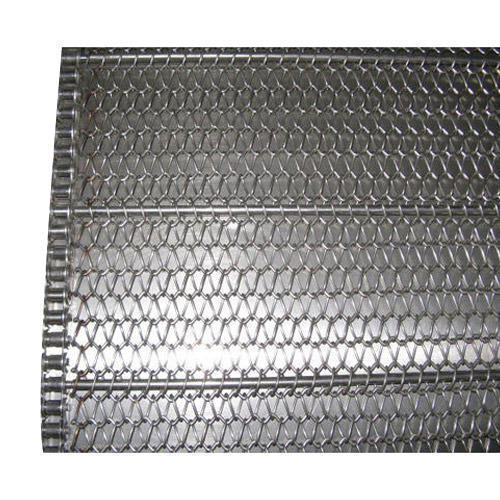
Honeycomb or Flat Wire Conveyor Belt
MOQ : 50 Pieces
Honeycomb or Flat Wire Conveyor Belt Specification
- Aperture
- 12 mm x 25 mm / Customized
- Surface Treatment
- Coated
- Hole Shape
- Rectangular
- Wire Gauge
- 2.0 mm to 5.0 mm
- Length
- Customized as per requirement
- Product Type
- Wire Mesh
- Mesh Type
- Steel Wire Mesh
- Mesh Style
- Flat Wire Mesh
- Material
- Stainless Steel
- Alloy
- Stainless Steel 304/316, Mild Steel
- Application
- Food processing, Baking, Freezing, Cleaning, Conveying
- Dimensions
- Customizable (Standard widths: 300 mm - 2500 mm)
- Wire Diameter
- 2.0 mm / 3.0 mm / Customized
- Weight
- Varies as per size and material
- Color
- Silver
- Pitch
- 25 mm / 38 mm / Customized
- End Finish
- Welded or Chain Linked
- Edge Design
- Standard Welded or Chain Edge
- Open Area Percentage
- Up to 85%
- Side Guard Availability
- Optional
- Operating Temperature
- Up to 600C
- Load Capacity
- Light to Medium Duty
- Maintenance
- Low maintenance, easy to clean
- Conveying Speed
- 1 - 30 m/min (Depending on application)
Honeycomb or Flat Wire Conveyor Belt Trade Information
- Minimum Order Quantity
- 50 Pieces
- Supply Ability
- 5000 Pieces Per Month
- Delivery Time
- 7-10 Days
Honeycomb or Flat Wire Conveyor Belt About
Constructed with cross rods and connecting rods, the Honeycomb or Flat Wire Conveyor Belt is renowned for its effortless cleaning and expansive open surface, which allows for efficient, continuous flow of air, liquids, or gases. It is especially suited for industrial applications that demand stability and excellent drainage. Its design makes it ideal for multi-tier conveyor systems with limited headroom, and it is widely used in the food processing industry due to its superior hygiene standards. The belt performs reliably on both standard and high-speed conveyors. Along the edges, the cross rods are secured with either welded rings or clamped edges for added strength and durability.
Specifications:
- Construction material- high carbon, steel, galvanizes, 304 stainless steel and 316 stainless steel
- Type: Screw Conveyor, Flat Belt
- Material: Stainless Steel
- Structure: Belt Conveyor
Features:
- Open mesh for high continuous flow of air, liquids or gases
- Flat surface
- Easy to clean
- Easy to replace the damaged parts which are damaged
- Made from cross rods and flat metal strip
- Ideal for carrying heavy loads
- High running reliability
- Can be used at conveyor speeds of less than 1 meter per minute to about 25 meters per minute
- Large open area
Applications:
- Product handling systems
- Sorting systems
- Washing systems
- Painting
- Cleaning
- Transferring
- Parts washing
- Bread production systems
- Drying systems
- Cooling systems
- Food processing
- Freezing
- Baking
Customizable Design for Diverse Industries
Honeycomb or Flat Wire Conveyor Belts are engineered for flexibility in design and application. They come in custom widths (300 mm to 2500 mm), lengths, wire gauges (2.0 mm to 5.0 mm), and aperture sizes, making them suitable for a range of processes from delicate food handling to industrial material transport. Optional side guards and a choice of welded or chain edge further enhance their adaptability.
Efficiency and Performance in High-Temperature Environments
Built to perform in demanding conditions, these conveyor belts can operate at temperatures reaching 600C. Their steel wire mesh design, coupled with a high open area percentage, allows efficient heat transfer and superior air flow. These characteristics are essential in processes such as baking, drying, and freezing. The robust construction ensures reliability under various load conditions.
Low Maintenance and Hygienic Operation
Designed for ease of maintenance, flat wire belts are quick to clean and maintain, which is especially important for the food industry and other hygiene-sensitive applications. The belts' structure minimizes residue buildup, ensuring consistently high standards of cleanliness. This also reduces downtime and maintenance costs, increasing overall operational efficiency.
FAQ's of Honeycomb or Flat Wire Conveyor Belt:
Q: How can I customize the Honeycomb or Flat Wire Conveyor Belt to fit my application's requirements?
A: You can tailor the belt by choosing from various edge designs (welded or chain edge), widths (300 mm - 2500 mm), wire gauges (2.0 mm - 5.0 mm), and aperture sizes (such as 12 mm x 25 mm or custom). Side guards, length, and surface coating are also customizable, ensuring the belt matches your specific process demands.Q: What are the main benefits of using this conveyor belt type in food processing or baking?
A: These belts offer up to 85% open area for superior airflow, are easy to clean, and can withstand temperatures up to 600C. This ensures efficient cooking, cooling, or freezing, along with quick cleaning cycles for high food safety and reduced downtime.Q: When should I opt for standard welded edge versus chain edge?
A: Chain edge designs are ideal when guided, lateral stability or heavy-duty operation is required. Standard welded edges, on the other hand, are suitable for straightforward conveying tasks and are often chosen for lighter applications or limited space installations.Q: Where are these conveyor belts commonly installed?
A: They are widely used in food processing plants, bakeries, industrial cleaning facilities, freezing tunnels, and production lines for materials that require gentle yet reliable conveying or exposure to high temperatures.Q: What is the process for maintaining and cleaning these conveyor belts?
A: Due to their open wire mesh construction and smooth surface treatment, these belts are simple to clean using standard washing methods or automated cleaning-in-place (CIP) systems. Routine inspection and minimal lubrication help keep maintenance requirements low.Q: How does the open area percentage affect the conveyor belt's performance?
A: A higher open area (up to 85%) allows better air and liquid flow, which is crucial for processes that involve cooking, cooling, or washing on the conveyor. It enhances thermal efficiency and helps ensure even processing of conveyed materials.Q: What materials and alloys are available for this conveyor belt?
A: The conveyor belts are manufactured from stainless steel (grades 304/316) or mild steel, depending on application needs for strength, corrosion resistance, and food safety compliance.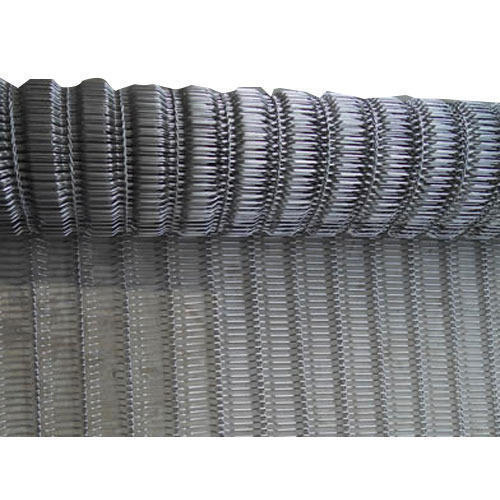
Tell us about your requirement

Price:
Quantity
Select Unit
- 50
- 100
- 200
- 250
- 500
- 1000+
Additional detail
Mobile number
Email

More Products in Conveyor Belt Category
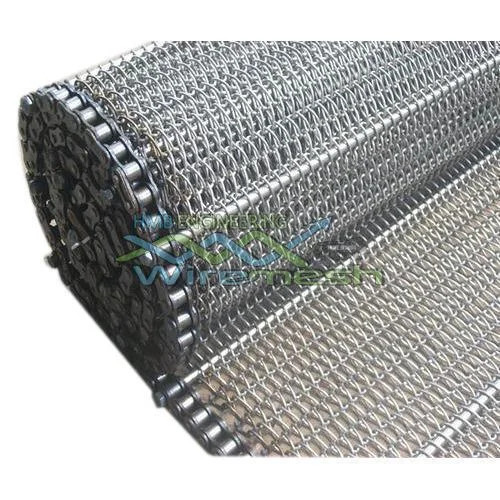
Stainless Steel Balance Conveyor Belt
Minimum Order Quantity : 100 Kilograms
Mesh Type : Other , Balance Mesh
Mesh Style : Other , Woven
Surface Treatment : Polished
Product Type : Other, Balance Conveyor Belt
Application : Other, Conveying, Drying, Baking
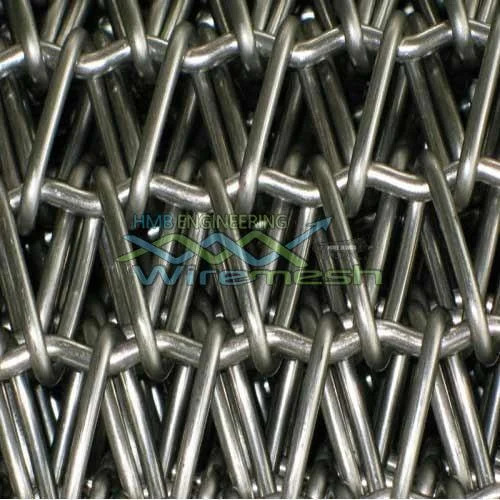
Food Grade Enrober Conveyor Belt
Minimum Order Quantity : 100 Kilograms
Mesh Type : Other , Wire mesh
Mesh Style : Other , Woven
Surface Treatment : Other, Smooth finish
Product Type : Other, Enrober Conveyor Belt
Application : Other, Food processing, bakery
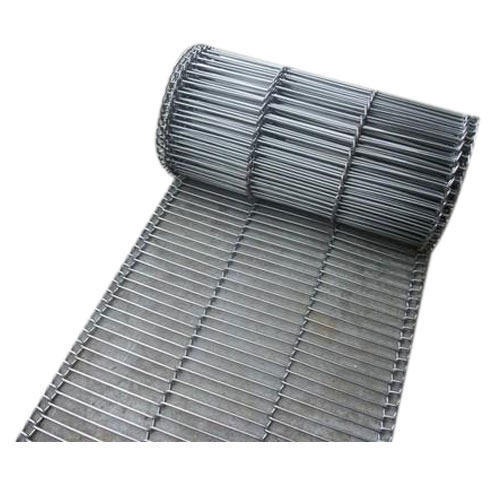
Flattend Wire Conveyor Belt
Minimum Order Quantity : 50 Pieces
Mesh Type : Other , Open mesh
Mesh Style : Other , Flat Wire Mesh
Surface Treatment : Coated
Product Type : Wire Mesh
Application : Other, Food Processing, Baking Ovens, Industrial Conveying, Cooling & Drying
Conveyor Belt Mesh
Minimum Order Quantity : 50 Pieces
Mesh Type : Other , Wire Mesh
Mesh Style : Other , Woven / Crimped
Surface Treatment : Coated
Product Type : Wire Mesh
Application : Other, Food Processing, Conveyor Systems, Industrial Filtration

Address
- A 7/89, South Side G.T. Road, Industrial Area,Ghaziabad - 201009, Uttar Pradesh, India
- Phone :08045476758
- hmbmesh@gmail.com
 Send Inquiry
Video
 |
HMB ENGINEERING
All Rights Reserved.(Terms of Use) Developed and Managed by Infocom Network Private Limited. |
