





 Send Inquiry
Perforated Sieves
MOQ : 50 Kilograms
Perforated Sieves Specification
- Length
- 24 Inches
- Surface Treatment
- Galvanized / Powder Coated
- Hole Shape
- Round
- Aperture
- 2 mm - 20 mm
- Wire Gauge
- Customizable as per requirement
- Product Type
- Wire Mesh
- Mesh Type
- Steel Wire Mesh
- Mesh Style
- Perforated
- Material
- Steel
- Alloy
- SS 202/304/316, MS
- Application
- Industrial filtration, powder separation, food processing
- Dimensions
- Diameter 200 mm - 400 mm
- Wire Diameter
- 0.5 mm - 2 mm
- Weight
- Approx. 0.5 kg - 2 kg (varies by size)
- Color
- Grey
- Open Area Percentage
- 25% - 45%
- Packaging Type
- Corrugated Box
- Edge Type
- Plain / Reinforced
- Corrosion Resistance
- Yes
- Thickness
- 0.5 mm - 1.5 mm
- Operating Temperature
- Up to 400C
- Shape
- Circular
Perforated Sieves Trade Information
- Minimum Order Quantity
- 50 Kilograms
- Supply Ability
- 70000 Kilograms Per Month
- Delivery Time
- 7 Days
Perforated Sieves About
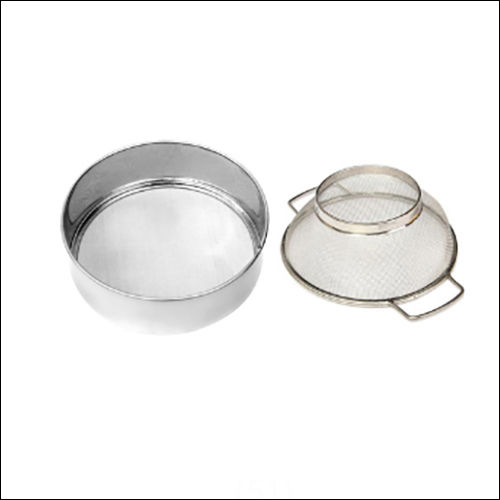
Available in standard or custom made dimension, perforated sieves are well known for their corrosion proof design and global manufacturing standard. Premium quality brass or stainless steel has been chosen as their frame material. For designing their perforated plate, plated steel or stainless steel has been used. To suit specific application requirement, round hole or square hole based aperture size has been maintained. Large radius based design of these perforated sieves makes these comfortable to handle. Totally sealed construction and uniformly tensioned mesh design are some of the key aspects of these sieves.
Versatile Industrial Applications
These perforated sieves excel in diverse industrial processes ranging from filtration, and food processing to powder separation. Built for rigorous usage, they maintain performance and quality in high-temperature environments up to 400C and various corrosive conditions, making them a preferred choice for factories and processing lines.
Customizable Design for Precision Filtering
Designed with customizable wire gauge, aperture (2 mm - 20 mm), and thickness options, our sieves adapt seamlessly to specific client requirements. Circular dimensions (200 mm - 400 mm diameter) and customizable mesh style ensure each sieve delivers optimal separation and throughput in your unique production workflow.
Reliable Corrosion Resistance and Durability
Using galvanized or powder-coated surface treatments and top-grade steel alloys, these sieves resist corrosion even in demanding industrial environments. The robust construction and reinforced or plain edges guarantee extended service life and enhanced safety during operation.
FAQ's of Perforated Sieves:
Q: How are the perforated sieves used in industrial processes?
A: Perforated sieves are primarily used for filtration, powder separation, and food processing in various industries. Their precise aperture sizes and customizable mesh design allow for efficient separation of particles, while the robust construction withstands demanding operational environments.Q: What benefits do plain and reinforced edge types provide?
A: Plain edges offer a cost-effective solution suitable for general applications, while reinforced edges add extra strength and longevity. Reinforced edges are especially beneficial for heavy-duty operations, ensuring the sieve remains stable and resists deformation over extended use.Q: When should I choose a galvanized or powder-coated surface treatment?
A: Select galvanized or powder-coated surfaces when the application demands higher resistance to corrosion and wear. Galvanization is ideal for moist environments, while powder coating provides additional durability and color uniformity, especially in environments with aggressive chemical exposure.Q: Where can these sieves be applied most effectively?
A: These perforated sieves are highly effective in industries requiring material filtration, such as food processing, pharmaceuticals, chemical manufacturing, and powder handling facilities. Their ability to withstand temperatures up to 400C broadens their use to heat-intensive operations.Q: How customizable are the mesh and wire gauge specifications?
A: Mesh type, wire gauge, aperture size, and overall size (diameter and length) can be tailored to meet specific process requirements. This flexibility allows integration into various industrial setups, ensuring optimal performance and efficiency for each application.Q: What is the typical process for ordering and receiving these sieves?
A: Customers can specify material, wire gauge, edge type, surface treatment, and dimensions upon order. The sieves are manufactured to these requirements, securely packaged in corrugated boxes, and shipped promptly for seamless integration into your workflow.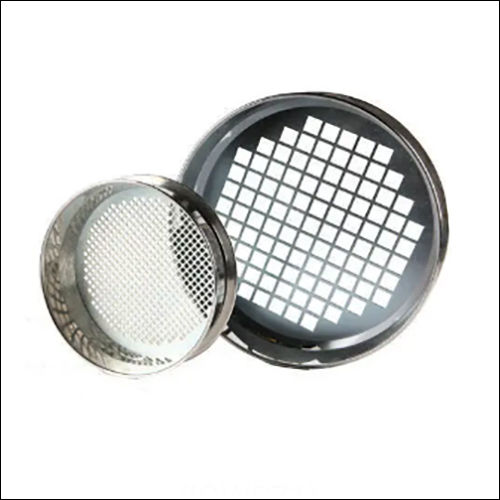
Tell us about your requirement

Price:
Quantity
Select Unit
- 50
- 100
- 200
- 250
- 500
- 1000+
Additional detail
Mobile number
Email

More Products in Sifter Sieves Category
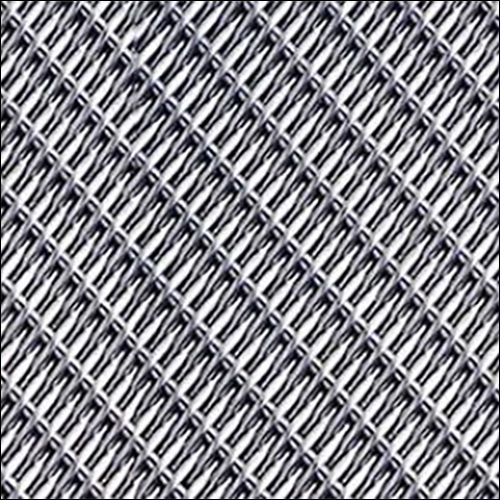
Stainless Steel Dutch Sieves
Minimum Order Quantity : 50 Kilograms
Material : Steel
Surface Treatment : Welding
Application : Other, Pharmaceutical, Chemical, Food Processing, Laboratory
Mesh Type : Steel Wire Mesh
Color : Grey
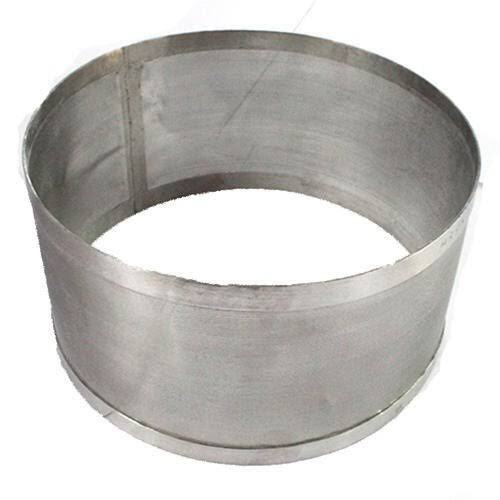
Multimill Sieves For Pharma
Minimum Order Quantity : 50 Kilograms
Material : Steel
Surface Treatment : Polished
Application : Screen
Mesh Type : Steel Wire Mesh
Color : Metallic Silver
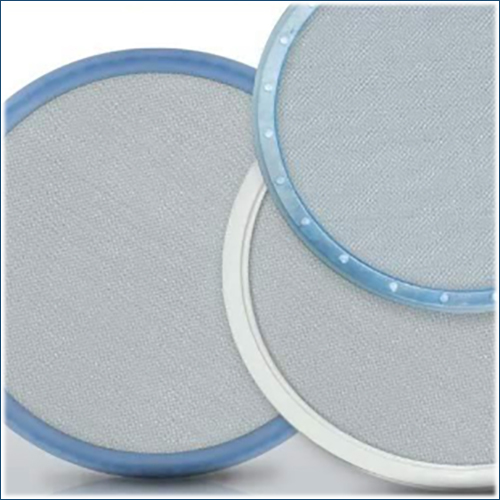
Pharma Sifter Sieves
Minimum Order Quantity : 50 Kilograms
Material : Steel
Surface Treatment : Galvanized
Application : Other, Pharmaceutical Powder Sieving and Grading
Mesh Type : Steel Wire Mesh
Color : Silver
Mesh Stainless Steel Sifter Sieves
Minimum Order Quantity : 50 Kilograms
Material : Steel
Surface Treatment : Coated
Application : Other, Food processing, pharmaceutical, chemicals, laboratory, industrial sifting
Mesh Type : Steel Wire Mesh
Color : Sliver

Address
- A 7/89, South Side G.T. Road, Industrial Area,Ghaziabad - 201009, Uttar Pradesh, India
- Phone :08045476758
- hmbmesh@gmail.com
 Send Inquiry
Video
 |
HMB ENGINEERING
All Rights Reserved.(Terms of Use) Developed and Managed by Infocom Network Private Limited. |
