





 Send Inquiry
Polyurethane Screen
MOQ : 50 Pieces
Polyurethane Screen Specification
- Usage
- Industrial
- Type
- Screen
- Material
- Polyurethane
- Size
- 610mm x 300mm (24" x 1113/16") 305mm x 305mm (12" x 12")
- Processing Type
- Moulded
- Condition
- New
- Shape
- Rectangular
- Product Type
- Polyurethane Screen
- Capacity
- Custom
- Color
- Yellow
- Diameter
- Depends on Model
- Layer
- Single or Multiple
- Dimension (L*W*H)
- Customized
- Power Mode
- Electric
- Voltage
- 220-240 V
- Power Consumption
- Low
- Media
- Polyurethane
- Noise Level
- Low
- Frequency
- 50-60 Hz
- Application
- Screening, Sifting, Mining, Quarrying, Aggregate Processing
- Coating Type
- Polyurethane Coated
- Aperture Size
- As per requirement
- Service Life
- Long
- Color
- Yellow / Red / As specified
- Corrosion Resistance
- Excellent
- Temperature Tolerance
- -30C to +80C
- Tensile Strength
- High
- Open Area
- 30-45%
- Mesh Size
- Customizable
- Installation
- Easy fitting
- Weight
- Varies as per dimensions
- Abrasion Resistance
- Superior
- Hardness
- 85-95 Shore A
Polyurethane Screen Trade Information
- Minimum Order Quantity
- 50 Pieces
- Payment Terms
- Cash Advance (CA), Cash in Advance (CID)
- Supply Ability
- 5000 Pieces Per Month
- Delivery Time
- 7-10 Days
- Main Export Market(s)
- Asia
- Main Domestic Market
- All India
Polyurethane Screen About
With the support of our advanced infrastructure, we are able to manufacture and supply a comprehensive range of Polyurethane Screens. These premium-quality screens are widely utilized in various industrial applications for their durability and superior performance.
Used for:
- Steel Plants
- Cement Plants
- Mining Industry
- Coal Washeries
- Power Plants
- Mineral Beneficiation Plants
Applications:
Secondary Tertiary & Final Screenings
Specification:
- Panel Size: 610mm x 300mm (24" x 1113/16") 305mm x 305mm (12" x 12")
- Aperture Size: 0.35mm x 80mm (1/70" x 31/8")
Engineered Durability for Demanding Industries
With unmatched resistance to abrasion, corrosion, and tough operating environments, our polyurethane screens provide dependable service in mining, quarrying, and aggregate processing facilities. The high tensile strength and long service life reduce operational downtime and maintenance costs, significantly boosting productivity.
Versatile and Customizable Solutions
Clients can specify aperture and mesh sizes, as well as select from single or multiple layers and various dimensions to suit unique project requirements. Our structural flexibility ensures compatibility with an array of industrial screening operations, supporting efficient material separation and maximized throughput.
Reliable Performance and Easy Installation
These screens are moulded from premium polyurethane, a material renowned for exceptional elasticity and stability. They perform reliably in temperatures ranging from -30C to +80C, and their lightweight, modular design makes installation quick and straightforward, minimizing downtime during equipment changeovers.
FAQ's of Polyurethane Screen:
Q: How is the Polyurethane Screen installed in an industrial setting?
A: The Polyurethane Screen is designed for easy fitting, featuring a moulded construction and customizable dimensions. Installation typically involves securing the screen onto the designated screening equipment using standard mounting systems or hardware. Its lightweight nature simplifies the process, reducing labor and downtime.Q: What benefits does a customizable aperture size offer to users?
A: Customizable aperture sizes allow users to adjust the screen for different material types and processing needs. This flexibility enhances screening efficiency, ensuring that materials are sifted accurately according to operational requirements, whether for mining, quarrying, or aggregate processing.Q: When should a Polyurethane Screen be considered over traditional wire or metal screens?
A: Polyurethane Screens are ideal when superior abrasion resistance, long service life, noise reduction, and corrosion resistance are critical. They are particularly suited for environments where constant exposure to moisture, chemicals, and abrasive materials can degrade conventional screen materials rapidly.Q: Where are these Polyurethane Screens primarily used?
A: These screens are widely utilized in the mining, quarrying, aggregate processing, and bulk material handling industries across India and international markets. Their robust build and high performance make them suitable for demanding screening and sifting applications.Q: What is the process involved in customizing the screen's mesh size or dimensions?
A: Customization begins with an assessment of the client's operational requirements, including material characteristics and processing capacity. Mesh size, dimensions, and screen layer specifications are tailored during the moulding and fabrication stages, ensuring a precision fit for the intended application.Q: How does the polyurethane material enhance the screen's service life and performance?
A: Polyurethane offers exceptional tensile strength, abrasion resistance, and elasticity. Its resistance to chemicals and environmental factors prevents premature wear, extending the screen's service life, reducing maintenance needs, and ensuring consistent performance even in corrosive or high-impact environments.Q: What are the advantages of the screen's low power consumption and quiet operation?
A: Low power consumption translates into reduced operational costs over time, while quiet operation improves the industrial work environment and helps meet workplace safety standards focused on noise control, contributing to overall operator well-being.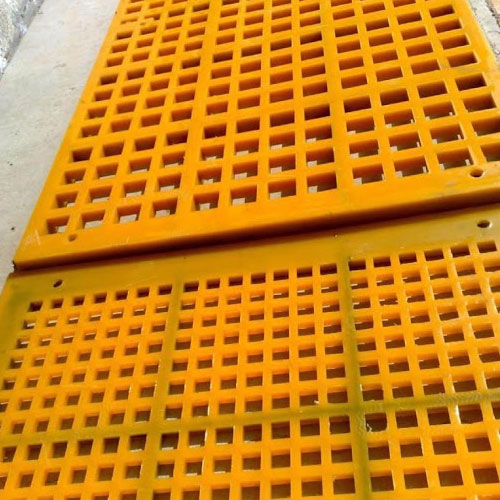
Tell us about your requirement

Price:
Quantity
Select Unit
- 50
- 100
- 200
- 250
- 500
- 1000+
Additional detail
Mobile number
Email

More Products in Polyurethane Screen Panel Category
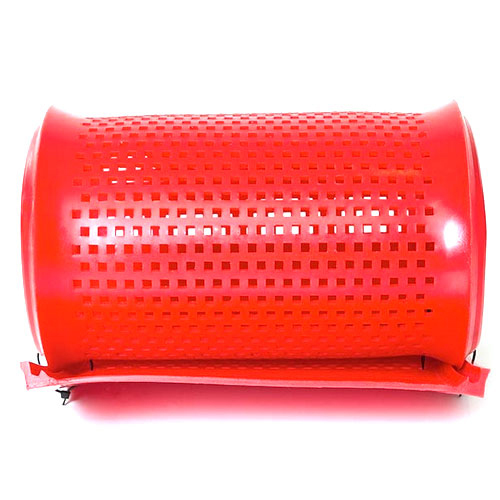
PU Flip Flop Screen
Minimum Order Quantity : 50 Pieces
Usage : Secondary Tertiary & Final Screenings
Size : 610mm x 300mm (24" x 1113/16") 305mm x 305mm (12" x 12")
Condition : New
Product Type : PU Flip Flop Screen
Color : Red
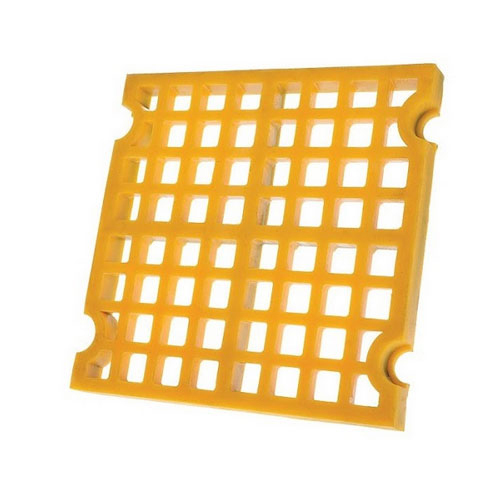
Polyurethane Screen Panels
Minimum Order Quantity : 50 Pieces
Usage : Industrial
Size : 610mm x 300mm (24" x 1113/16") 305mm x 305mm (12" x 12")
Condition : New
Product Type : Polyurethane Screen Panels
Color : Yellow
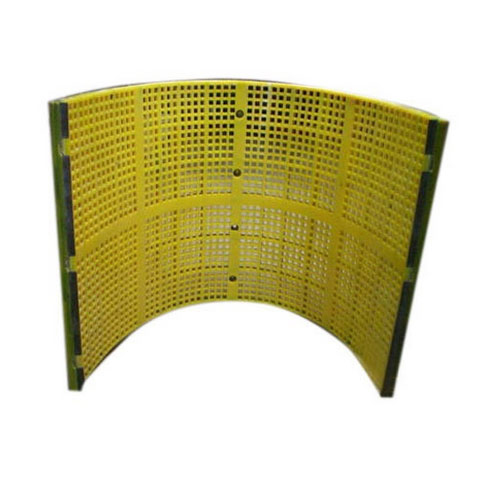
Pu Modular Screens
Minimum Order Quantity : 50 Pieces
Usage : Industrial
Size : 610mm x 300mm (24" x 1113/16") 305mm x 305mm (12" x 12")
Condition : New
Product Type : Pu Modular Screens
Color : Yellow

Address
- A 7/89, South Side G.T. Road, Industrial Area,Ghaziabad - 201009, Uttar Pradesh, India
- Phone :08045476758
- hmbmesh@gmail.com
 Send Inquiry
Video
 |
HMB ENGINEERING
All Rights Reserved.(Terms of Use) Developed and Managed by Infocom Network Private Limited. |
