





 Send Inquiry
Stainless Steel Wire Mesh for Paper Making
Price 3000 INR/ Piece
MOQ : 50 Pieces, Piece
Stainless Steel Wire Mesh for Paper Making Specification
- Length
- 10-30 meter (m)
- Hole Shape
- Square
- Wire Gauge
- 10-28 SWG
- Aperture
- 0.5 mm to 10 mm
- Surface Treatment
- Mill Finish
- Product Type
- Wire Mesh
- Mesh Type
- Industrial Mesh
- Mesh Style
- Woven
- Material
- Stainless Steel
- Alloy
- SS 304, SS 316
- Application
- Screen
- Dimensions
- Customizable
- Wire Diameter
- 0.3 mm to 2.5 mm
- Weight
- As per requirement
- Color
- Transparent
- Usage Environment
- High Moisture
- Tensile Strength
- High
- Open Area Percentage
- 44-78% (depending on mesh)
- Corrosion Resistance
- Yes
- Weave Type
- Plain Weave or Twill Weave
- Edge Type
- Plain or Selvage
Stainless Steel Wire Mesh for Paper Making Trade Information
- Minimum Order Quantity
- 50 Pieces, Piece
- Supply Ability
- 70000 Pieces, Piece Per Month
- Delivery Time
- 7 Days
Stainless Steel Wire Mesh for Paper Making About
Stainless Steel Wire Mesh is specifically engineered for excellent solvent resistance, ensuring the safety and precision of screen printing processes. It is widely used in the paper-making industry, where it facilitates the preliminary dehydration of pulp in water suspension, ultimately forming wet paper sheets. This wire mesh offers key advantages, including high stretchability, acid resistance, non-toxicity, and the ability to withstand temperatures up to 180oC.
Specifications:
- Construction materials- SUS302, 304,316,304 L, 316L stainless steel wire and galvanized steel wire
- Available widths- from 2m to 8m
Features:
- No mesh striping
- Exceptionally high yield point
- High precision of the mesh openings
- Uniform weave
- Flat lying design with no curl
- No static charge
- High tensile and bending strength
- Very narrow thickness tolerances
- Large open area
- Firm mesh binding
- Easy to use
- High and smooth tension as compared to common polyester mesh
- Uniform wire diameter and aperture
- Low elongation at high tension
- High flexibility
- Does not lose elasticity at extreme tension
- High resistance against corrosion
- Good solvent resistance
Applications:
Dehydration treatment in paper-making industry
High Corrosion Resistance for Longevity
Engineered for durability, our stainless steel wire mesh withstands high moisture and corrosive conditions typical of paper mills. This resilience makes it a wise investment for long-term operational efficiency, reducing downtime and maintenance costs.
Customizable Dimensions for Precise Fit
Adapt the mesh to your specific paper making machinery or process with customizable length (10-30 meters), width, wire diameter, and aperture. Our capability to offer bespoke solutions ensures compatibility and maximized performance.
Wide Range of Applications
Beyond paper making, this stainless steel mesh is versatile enough for screening, industrial filtration, and other manufacturing uses. Its robust design, transparency, and wide open area range (44-78%) enable efficient processing in demanding settings.
FAQ's of Stainless Steel Wire Mesh for Paper Making:
Q: How is the stainless steel wire mesh used in paper making processes?
A: The mesh acts as a screen during various stages of the paper manufacturing process, facilitating fiber retention, drainage, and even sheet formation. Its high tensile strength and resistance to moisture make it ideal for continuous operation in wet environments.Q: What are the benefits of choosing SS 304 or SS 316 alloys for this wire mesh?
A: Both SS 304 and SS 316 alloys provide exceptional corrosion resistance, ensuring the mesh endures exposure to moisture and chemicals commonly found in paper mills. SS 316 offers superior resistance to chlorides, making it suitable for harsher conditions.Q: When should I select a plain weave versus a twill weave?
A: Plain weave is commonly chosen for standard screening whereas twill weave offers higher strength and a slightly denser mesh, making it suitable for finer filtration and added durability in heavy-duty applications.Q: Where can this wire mesh be installed within a paper plant?
A: It is typically used in paper machine forming sections, dewatering units, pulp washing, and filtration screens or anywhere efficient separation and drainage are vital. Its adaptability allows for use in both main processing and auxiliary equipment.Q: What is involved in the manufacturing process of this wire mesh?
A: High-precision looms weave stainless steel wires (of customizable diameter) into plain or twill patterns. Post weaving, the mesh undergoes a mill finish surface treatment, ensuring smoothness and integrity before cutting to specific customer dimensions.Q: Is there flexibility in mesh size and specification for unique requirements?
A: Yes, parameters such as aperture size (0.5-10 mm), wire diameter (0.3-2.5 mm), width, length, open area percentage, and edge type can be customized to align with your machinery or production needs.Q: What are the usage advantages in high-moisture environments?
A: Stainless steel's inherent corrosion resistance and the mesh's robust construction offer reliable performance and longevity in wet, humid paper manufacturing conditions, minimizing issues like rust and frequent replacement.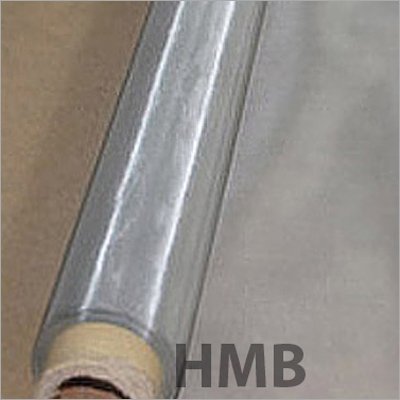
Tell us about your requirement

Price:
Quantity
Select Unit
- 50
- 100
- 200
- 250
- 500
- 1000+
Additional detail
Mobile number
Email

More Products in Stainless Steel Wire Mesh Category
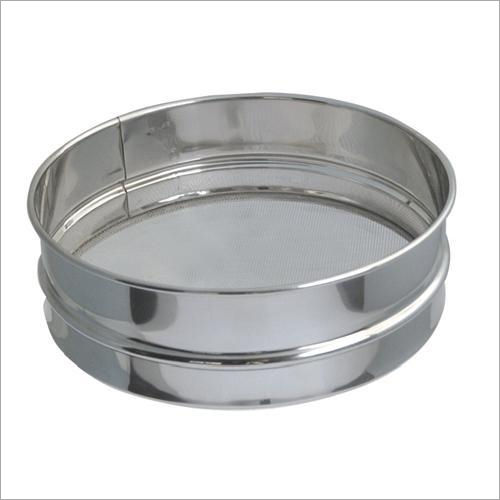
Steel Sieving Mesh
Price 500 INR
Minimum Order Quantity : 50
Wire Gauge : 14 SWG
Aperture : 2 mm
Surface Treatment : Powder Coating
Wire Diameter : 2.0 mm
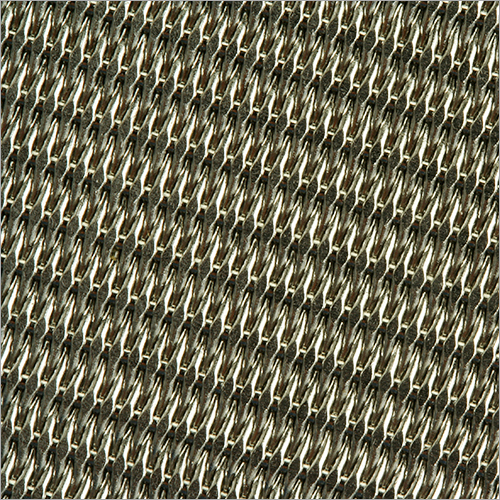
Steel Sintered Mesh
Price 300 INR
Minimum Order Quantity : 100
Wire Gauge : Customizable, as per requirement
Aperture : 0.5 mm 100 mm
Surface Treatment : Other, Polished / Annealed / Galvanized
Wire Diameter : 0.05 mm 2 mm
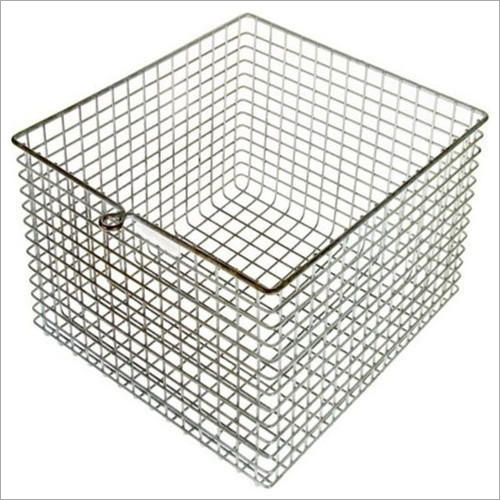
Stainless Steel Wire Mesh Baskets
Price 300 INR
Minimum Order Quantity : 100
Wire Gauge : 1622 gauge
Aperture : 2 mm 10 mm
Surface Treatment : Galvanized
Wire Diameter : 0.5 mm 1.2 mm

Address
- A 7/89, South Side G.T. Road, Industrial Area,Ghaziabad - 201009, Uttar Pradesh, India
- Phone :08045476758
- hmbmesh@gmail.com
 Send Inquiry
Video
 |
HMB ENGINEERING
All Rights Reserved.(Terms of Use) Developed and Managed by Infocom Network Private Limited. |
