





 Send Inquiry
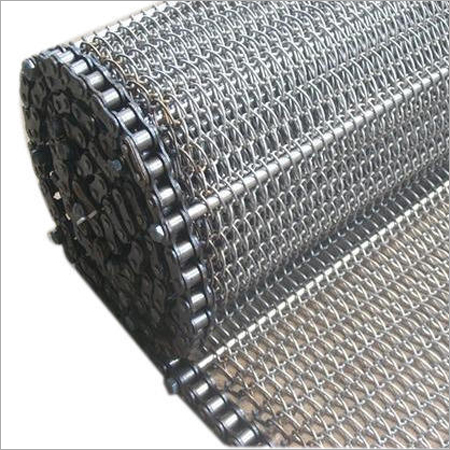
Wire Conveyor Belt
MOQ : 50 Kilograms
Wire Conveyor Belt Specification
- Hole Shape
- Rectangular
- Aperture
- 10 mm x 40 mm, customizable
- Wire Gauge
- 2 mm to 8 mm
- Length
- Customizable as per requirement
- Surface Treatment
- Polished
- Product Type
- Wire Mesh
- Mesh Type
- Balanced Spiral
- Mesh Style
- Woven Mesh
- Material
- Stainless Steel
- Alloy
- SS 304, SS 316
- Application
- Industrial Conveying, Food Processing, Baking, Cooling, Drying
- Dimensions
- Width 500 mm to 2500 mm, Length as required
- Wire Diameter
- 2 mm to 8 mm
- Weight
- Depends on size and material
- Color
- Sliver
- Tensile Strength
- High Tensile
- Corrosion Resistance
- Excellent (for stainless steel options)
- Packaging Type
- Roll or as per customer requirement
- Edge Finish
- Welded or Clinched
- Flexibility
- High Flexibility for Smooth Conveying
- Belt Type
- Flat Wire, Chain Driven
- Usage
- Automated Conveyor Systems
- Load Capacity
- Light to Heavy Duty
- Maintenance
- Low maintenance, Easy to Clean
- Customization
- Available as per industrial needs
- Operating Temperature
- -40C to 1200C (based on material)
Wire Conveyor Belt Trade Information
- Minimum Order Quantity
- 50 Kilograms
- Supply Ability
- 70000 Kilograms Per Month
- Delivery Time
- 7 Days
Wire Conveyor Belt About
Made of stainless steel of different grades (304/310/314/316), offered wire conveyor belt is used for handling fine powder based chemicals, oil and fluid at high temperature. This belt is accessible in standard thickness range and specific wire diameter range based specifications. Wire conveyor belt provided by us is simple to clean and maintain. Composition of this belt makes it completely safe for handling food grade products. Being corrosion protected, this conveyor belt remains functional for years. This belt can be availed in standard weight.
Exceptional Durability and High Flexibility
Engineered for longevity, our wire conveyor belts combine a high-tensile structure with flexible woven or balanced spiral mesh. The robust edge finishes-in welded or clinched options-enhance operational stability, even under demanding conditions. These features make the belt adaptable for smooth movement in automated conveyor systems, minimizing wear and ensuring consistent conveying efficiency.
Customizable to Your Industrial Requirements
With options for wire gauge (2 mm to 8 mm), various apertures, and widths ranging from 500 mm to 2500 mm, these belts can be tailor-made to suit your specific operating needs. Choose from different mesh styles, materials, and surface treatments to ensure optimal performance, whether for heavy-duty industrial applications or hygienic food processing environments.
FAQ's of Wire Conveyor Belt:
Q: How can the wire conveyor belt be customized to fit various industrial applications?
A: The wire conveyor belt can be customized in terms of material (SS 304/316), wire gauge (2mm-8mm), width (500mm-2500mm), length, mesh type (woven mesh, balanced spiral), and aperture size (as small as 10mm x 40mm or as required). These customizations make the belt suitable for specific industrial requirements, whether for food processing, conveying, or drying.Q: What is the operating temperature range and which materials suit higher temperatures?
A: The operating temperature range for these belts is -40C to 1200C. For extremely high-temperature environments (up to 1200C), stainless steel options like SS 316 are recommended due to their superior heat resistance. Material selection should align with the specific temperature and chemical exposure of the intended use.Q: When should I choose welded versus clinched edge finishes?
A: Welded edges are preferred for maximum strength and resistance to fraying, suitable for heavy-duty loads or high-tension environments. Clinched edges offer flexibility and are ideal when the belt needs to accommodate smaller pulleys or tighter conveying paths. The choice depends on your load type and conveyor design.Q: Where are these wire conveyor belts commonly used?
A: These belts are widely employed in industrial conveying systems, particularly in food processing, baking, cooling, drying, and automated production lines. Their robust design and hygienic properties make them ideal for environments where ease of cleaning and corrosion resistance are essential.Q: What is the maintenance process and how does it benefit users?
A: Maintenance is minimal due to the belt's corrosion-resistant stainless steel construction and polished surface, which prevents debris accumulation and makes cleaning straightforward. Regular inspections to check alignment, tension, and any signs of wear ensure long service life and reduce the risk of downtime.Q: How does the high flexibility of the belt enhance conveying processes?
A: The high flexibility of these wire belts allows them to run smoothly over sprockets and pulleys, reducing stress on both the belt and conveyor system. This trait ensures gentle product handling and consistent belt alignment, minimizing product damage and supporting efficient operation.Q: What packaging options are available for these conveyor belts?
A: Belts are typically supplied in rolls for convenient handling and installation. However, packaging can be tailored to customer requirements, accommodating special shipping, storage, or installation needs to ensure the product arrives in optimal condition.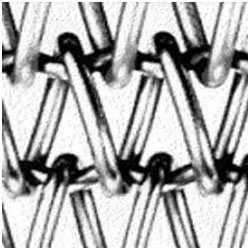
Tell us about your requirement

Price:
Quantity
Select Unit
- 50
- 100
- 200
- 250
- 500
- 1000+
Additional detail
Mobile number
Email

More Products in Enrober Conveyor Belt For Food Grade Category
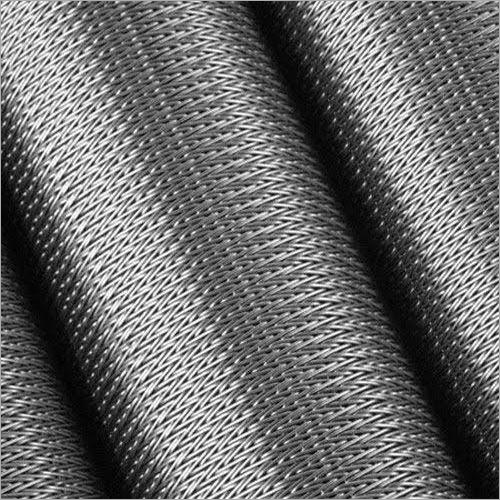
N Shaped Stainless Steel Conveyor Belt
Price 250 INR
Minimum Order Quantity : 100
Wire Gauge : 2 mm to 8 mm
Material : Stainless Steel
Dimensions : Customized size
Length : Customizable as per requirement
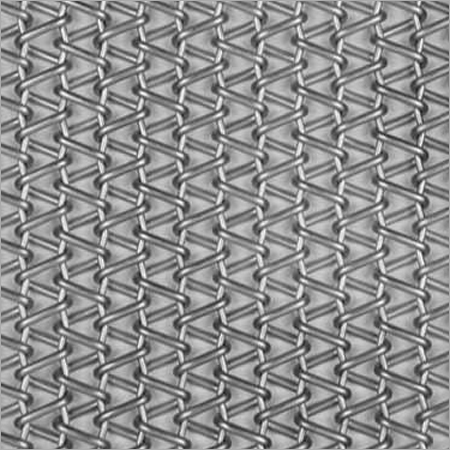
Balanced Weave Conveyor Belt
Price 250 INR
Minimum Order Quantity : 100
Wire Gauge : 16 to 22 SWG
Material : Steel
Dimensions : Customized
Length : As Per Requirement
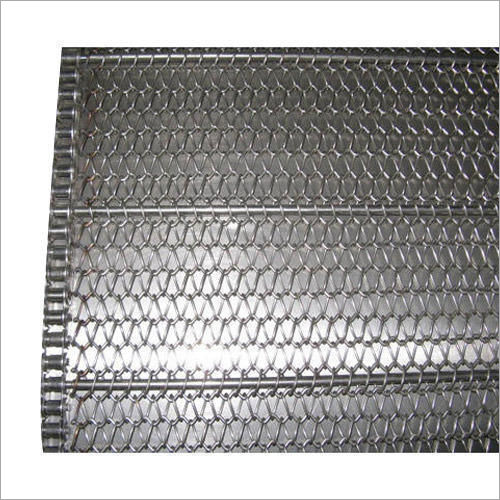
Conveyor Belt Mesh
Price 150 INR
Minimum Order Quantity : 100
Wire Gauge : 18 22 SWG
Material : Steel
Dimensions : Width: 300 mm 1500 mm (customizable)
Length : 10 m 30 m (customizable)
Balance Stainless Steel Conveyor Belt
Price 250 INR
Minimum Order Quantity : 100
Wire Gauge : 24 mm
Material : Stainless Steel
Dimensions : Customizable
Length : As per requirement

Address
- A 7/89, South Side G.T. Road, Industrial Area,Ghaziabad - 201009, Uttar Pradesh, India
- Phone :08045476758
- hmbmesh@gmail.com
 Send Inquiry
Video
 |
HMB ENGINEERING
All Rights Reserved.(Terms of Use) Developed and Managed by Infocom Network Private Limited. |
